A PU jacket that peels in six months was not worn out. It was under-cured at the lamination line, then cooked in a shipping container at 60°C and 90% humidity before anyone tried it on. Peeling is a f
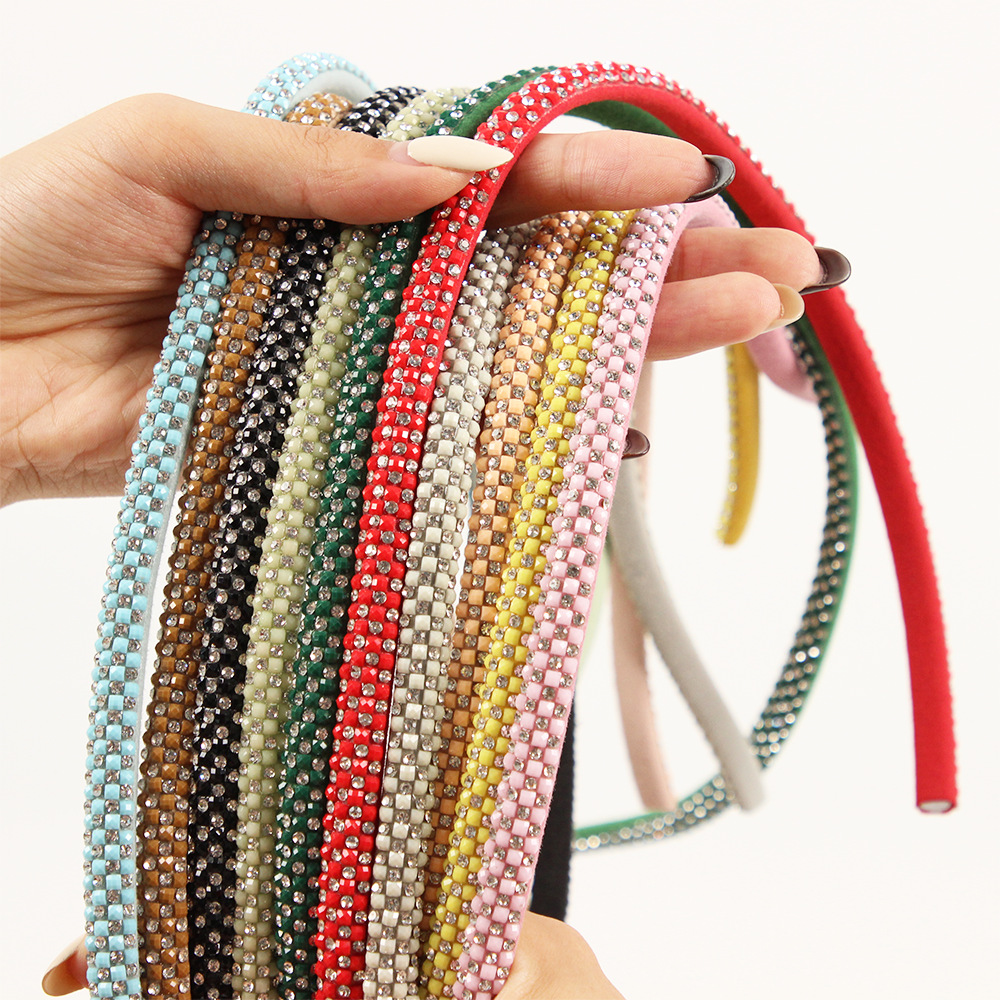
Published: October 2026 | By CHYF Engineering Team For high-flex garments — dancewear, gymnastics leotards, stage costumes — sew-on rhinestone ribbon is the only choice for stress points; self-adhesiv
Ready styles win on cash and calendar; full custom wins on sell-through — and on a 300-piece order the difference in development money is about a dollar a dress. That is why the usual ready style vs c
Sourcing your first run of custom knitwear from China can feel like a leap of faith. The biggest risk isn't the price — it's not knowing whether the "manufacturer" you're messaging is actually a facto
A cone that is 50% cheaper per kilogram can cost two to four times more per finished seam once breaks, downtime and rework are counted — which is why the only defensible purchasing metric is cost per
Most buyers never see the factory they buy from. Budgets, visas and calendars get in the way, so the vetting happens over email and WhatsApp — which is fine, as long as you accept that a factory visit
The spaghetti strap nightgown sells faster but keeps less of what it sells — it wins on gross units and loses on net revenue, unless the strap is specified correctly. In the order books we see, a thin
Bonded thread costs two to four times more than spun polyester because it passes through four extra processing stages on costlier raw material — nylon 66 chip runs roughly double the price of PET, and
Most first seamless orders go wrong in the tech pack, not on the machine: a specification written for cut-and-sew is handed to a four-bed knitter that cannot read it, and the problem surfaces three we
Adjustable straps cut size-driven returns by roughly a third — but they add hardware cost, a new failure point, and a QC step most factories skip, so the cheaper strap is not automatically the more pr